
Emotional Triggers in Gambling Behavior
The allure of casinos often taps into intense emotional triggers that can significantly influence visitor behavior. When individuals enter a casino, they are usually seeking an escape, adrenaline rush, or a chance to celebrate life’s milestones. The thrill of potential wins and the excitement that accompanies them can evoke feelings of joy and anticipation, creating a powerful psychological environment. This emotional engagement can lead visitors to spend considerable time and money as they chase the highs associated with gambling, especially with venues like delta offering unique experiences. The combination of hope and excitement creates a fertile ground for emotionally-driven decisions.

Moreover, casinos are designed to amplify these emotions. Bright lights, engaging sounds, and the buzz of excitement permeate the air, stimulating not just the senses but also the thrill-seeking nature of many gamblers. The design of the gaming floor, with its open layout and strategically placed games, encourages prolonged engagement. Visitors often find themselves immersed in an atmosphere where their emotions are heightened, which can lead to impulsive decisions regarding their gambling habits. This calculated design is a significant factor in how people interact with various games and experiences offered within the casino.
This emotional landscape also relates to the concept of loss aversion, where individuals are more motivated to avoid losses than to achieve equivalent gains. As visitors experience both wins and losses, they may engage in ”chasing losses,” a psychological phenomenon where they continue gambling in hopes of recovering previous losses. This behavior not only impacts their immediate experience but can also lead to long-term issues with gambling addiction. Understanding these emotional triggers is essential for casinos, as they can tailor experiences that keep players engaged while also navigating the delicate balance of responsible gambling.
The Role of Social Influences
Social influences play a critical role in the psychology of casino visitors. Many individuals visit casinos in groups, which enhances the social experience of gambling. This communal atmosphere can amplify excitement, as friends and family cheer each other on during games or share in the thrill of a win. The social dynamics at play are crucial, as they can foster a sense of belonging and shared experience, prompting individuals to return to the casino for more than just the gambling aspect. This social engagement can often overshadow rational decision-making, leading to increased spending and time spent gambling.
Additionally, peer pressure and social norms can impact gambling behavior. When individuals see their friends winning or enjoying themselves, they may feel compelled to join in, often disregarding their own gambling limits. This phenomenon is exacerbated in densely populated gaming areas where larger crowds can contribute to heightened excitement and a sense of urgency. Casinos may even leverage this social dynamic by hosting group events or tournaments, encouraging visitors to engage with one another while promoting their gaming offerings. The ability to share successes instantly becomes a part of the gambling experience, making it more appealing.
The influence of social media also cannot be overlooked. In today’s digital age, sharing experiences at casinos on platforms such as Instagram or Facebook can amplify the desire to visit. The portrayal of glamorous lifestyles associated with gambling can create a psychological impact that attracts more visitors, urging them to engage in similar experiences. This online socialization creates an echo chamber where positive experiences are magnified, further driving individuals to seek out the casino experience. Understanding these social influences is essential for casinos as they look to cultivate user engagement and retain visitors over the long term.
Behavioral Economics and Gambling Choices
Behavioral economics provides valuable insight into the choices made by casino visitors. The concept of ’bounded rationality’ highlights how individuals often make decisions based on limited information and emotional responses rather than purely logical reasoning. In a casino setting, this translates to the tendency of players to make choices that may not align with their long-term interests, such as spending more money than intended or engaging in risky betting behaviors. This disconnect between intention and action reflects a broader trend observed in gambling psychology.
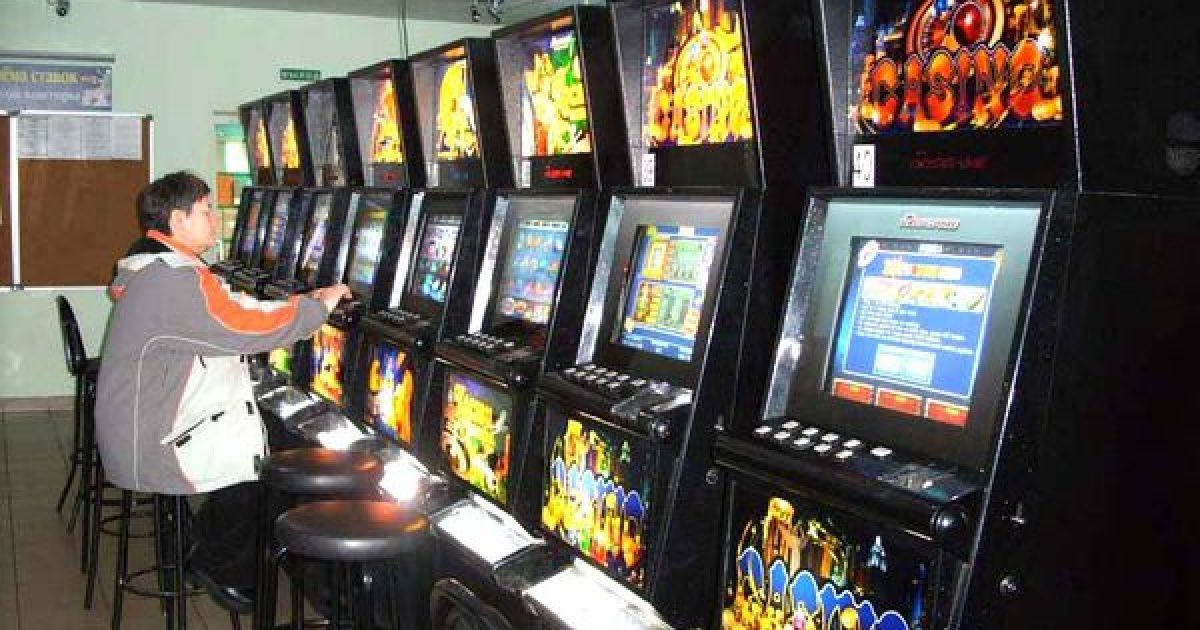
One of the most intriguing aspects of behavioral economics in the context of gambling is the ’gamblers’ fallacy.’ This is the mistaken belief that past outcomes will influence future results, leading players to make irrational betting decisions. For instance, if a slot machine has not paid out recently, a gambler may assume it is ’due’ for a win and continue to play, often disregarding the odds. This misjudgment can lead to significant financial losses and reflects the complex interplay between psychology and decision-making in gambling scenarios. Such cognitive biases can turn a fun experience into a problematic one if not recognized.
Furthermore, casinos often employ strategies that capitalize on these behavioral tendencies. For example, offering players free drinks or rewards can enhance their perception of value while simultaneously encouraging them to play longer. By creating an environment that caters to these psychological and economic factors, casinos can effectively manage visitor behavior and increase their overall revenue. Recognizing how visitors’ decision-making can be influenced by psychological principles is vital for both players and casino operators. This insight can also guide responsible gambling initiatives aimed at minimizing negative outcomes.
Impact of Environmental Factors
The physical environment of a casino plays a crucial role in shaping visitor psychology. Factors such as lighting, layout, and sound design contribute to the emotional experience of gamblers. For instance, bright lights and vibrant colors are strategically used to create an exciting atmosphere that captures attention and encourages prolonged engagement. The absence of windows can also disorient visitors, blurring their sense of time and allowing them to lose themselves in the gaming experience. This manipulation of the environment serves to keep players immersed, often leading to extended periods of gaming.
Additionally, the placement of games within the casino can significantly affect visitor behavior. High-stakes games, such as poker and blackjack, are often situated in more upscale areas, creating an air of exclusivity. Conversely, slot machines, known for their high volume of play and lower stakes, are typically placed prominently to attract a larger number of visitors. The environmental cues provided by these arrangements can dictate where visitors spend their time and money, ultimately shaping their overall gambling experience. This strategic placement of games is an essential aspect of casino design that directly impacts profitability.
Sound also plays a pivotal role in the casino atmosphere. The combination of bells ringing, coins clinking, and upbeat music creates an ambiance of excitement and success. These auditory signals reinforce the emotional highs associated with winning and can keep players engaged for longer periods. By understanding the impact of these environmental factors, casinos can create tailored experiences that resonate with their target audience, maximizing both visitor satisfaction and operational success. The orchestration of sound, light, and layout enhances the overall allure of the casino environment.
Exploring Casino Culture and Visitor Experience
The culture surrounding casinos significantly influences the experience of visitors. Often romanticized in films and literature, the glamour of casino life enhances the allure for many individuals. This cultural perception can create unrealistic expectations about gambling outcomes and reinforce the belief that winning is not only possible but also likely. Such narratives can shape the desires and motivations of visitors, leading them to embrace gambling as a social or recreational activity. The societal portrayal of casinos can create a dichotomy between the excitement of the experience and the realities of gambling risks.
Moreover, the experience of visiting a casino is often viewed as a thrilling adventure. Many visitors approach gambling with a mindset that emphasizes entertainment rather than financial gain. This standpoint is crucial, as it can mitigate the negative psychological impacts associated with losses. When individuals engage in gambling with an emphasis on enjoyment, they may be more inclined to accept losses as part of the experience rather than a financial setback. This perspective allows casinos to cultivate a fun and inviting environment that encourages repeat visits while maintaining a responsible approach.
Ultimately, understanding the culture and visitor experience is essential for casinos looking to enhance customer satisfaction. By creating a welcoming environment and promoting responsible gambling behaviors, casinos can ensure that visitors leave with positive memories, encouraging them to return. The integration of cultural narratives and visitor experiences forms the foundation of successful casino operations, emphasizing the importance of psychological insights in shaping the future of the gambling industry. Cultivating a positive visitor experience ensures that casinos not only thrive economically but also contribute positively to the community.
Senaste kommentarer