

Understanding Horse Racing Form Guides: A Complete Overview
When it comes to horse racing, the importance of form guides cannot be overstated. These detailed outlines provide essential insights into a horse’s past performances, helping bettors make informed decisions. For anyone looking to dive into the thrilling world of horse racing, understanding Horse Racing Form Guides horse racing form guides is crucial. This article will explore the components of a form guide, how to interpret the information contained therein, and the strategies you can employ to improve your betting success.
The Basics of Horse Racing Form Guides
A horse racing form guide is a comprehensive resource that summarizes the performance history of horses, jockeys, and trainers. Typically published before a racing event, these guides provide insights that can significantly influence betting outcomes. They often include details such as previous race finishes, distances, track conditions, and more. Understanding how to read and interpret these form guides is essential for both novice and experienced bettors alike.
Key Components of a Form Guide
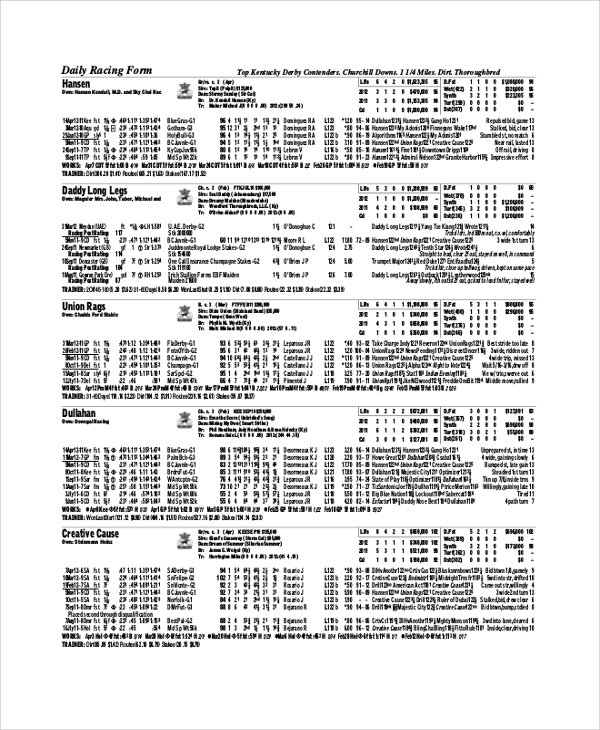
The typical horse racing form guide contains multiple columns filled with statistics and information. Familiarizing yourself with these components is the first step toward making astute betting choices:
- Horse Name: The name of the horse competing in the race.
- Jockey: The individual riding the horse. A jockey’s reputation and experience can significantly affect a horse’s performance.
- Trainer: The person responsible for preparing the horse for the race. Like jockeys, some trainers have better track records than others.
- Form Ratings: These ratings often indicate how well the horse has performed in its last few races. Common notations include numbers and symbols, where the lower the number or the specific symbol might indicate a better recent performance.
- Distance: The length of the race. Different horses perform better at various distances.
- Track Condition: The state of the racing surface (firm, soft, heavy, etc.). Some horses excel under specific track conditions.
- Odds: The current betting odds for the horse, indicating the likelihood of winning and the potential payout.
Interpreting Form Ratings
One of the most critical aspects of a form guide is interpreting the form ratings. Typically displayed as a series of numbers representing the horse’s finishing position in its last few races, these ratings offer a snapshot of the horse’s current form. For example, if a horse’s form reads “2-1-4,” it means that the horse finished 2nd, 1st, and 4th in its last three races, respectively. This information can be invaluable when predicting a horse’s upcoming performance.
Historical Performance Analysis
Past performance is often a strong indicator of future success in horse racing. By reviewing a form guide, bettors can discern patterns in a horse’s performance. For instance, if a horse consistently ranks in the top three in races of a particular distance or on a specific type of track, this is a positive sign. Bettors should also pay attention to how horses perform in various weather conditions, as some may struggle more than others due to environmental factors.
Understanding Jockey and Trainer Statistics
Beyond the horse itself, the jockey and trainer’s effectiveness can greatly impact race outcomes. An experienced jockey who consistently rides well can make a significant difference in a horse’s performance. Similarly, a trainer’s history with a horse helps to understand whether the horse is being optimally prepared for each race. Look for trends in their past performances, both individually and in combination with each other.

Utilizing Advanced Data Techniques
While traditional form guides provide ample information, many modern bettors utilize advanced data analysis techniques to unlock further insights. This might include statistical models that factor in a wide array of variables, such as speed ratings, pace analysis, and more. Some bettors even invest in software or platforms that aggregate data from multiple sources, allowing for greater predictive accuracy.
Strategies for Successful Betting
Armed with knowledge from form guides, bettors can develop various strategies for wagering. Here are a few effective approaches:
- Value Betting: Seek out horses that may be undervalued by the betting market. This involves looking at horses that have shown strong performance in form guides but are still listed with higher odds than they likely should be.
- Diversifying Bets: Consider making different types of bets (win, place, show, exotic bets) based on the information derived from form guides. This diversifies risk and can increase potential payouts.
- Following Trends: Pay attention to trends in the racing circuit. If a jockey or trainer is enjoying a successful streak, it may be worth considering their entries more closely.
Conclusion
Understanding horse racing form guides is vital for any serious bettor. By familiarizing yourself with the various components, improving your interpretation skills, and employing strategic betting methods, you can greatly enhance your chances of successful wagering. The world of horse racing is nuanced and filled with possibilities; with the right tools and knowledge, you can navigate it with confidence. Remember, while these guides are essential resources, the excitement of the race also includes elements of surprise and unpredictability.
Senaste kommentarer